Comic books blend art and narrative in a way that really speaks to kids and teens and their big imaginations. Hosting a program on how to create comic books is a great way to help young patrons use those imaginations while developing critical literacy skills. Plus, it’s a lot of fun, which goes a long way towards helping kids see the library as a fun and welcoming place.
Using Hoopla for Comic Book Resources
Hoopla is here to support your library’s comic book creation programs!
- Access a Wide Range of Comics for Inspiration
- Hoopla offers a vast collection of digital comics and graphic novels across various genres and age groups. Encourage patrons to look at some of these titles for inspiration. By accessing comics on Hoopla, they can analyze different styles, storytelling techniques, and artistic approaches, and decide what they might like to try themselves.
- Curated Reading Lists
- Create curated reading lists on Hoopla featuring recommended titles, especially if you are presenting a comic-book making program with a theme. You could compile a list of superhero comics, slice-of-life graphic novels, or educational titles that inspire creativity.
- Inspiration for Comic Creation
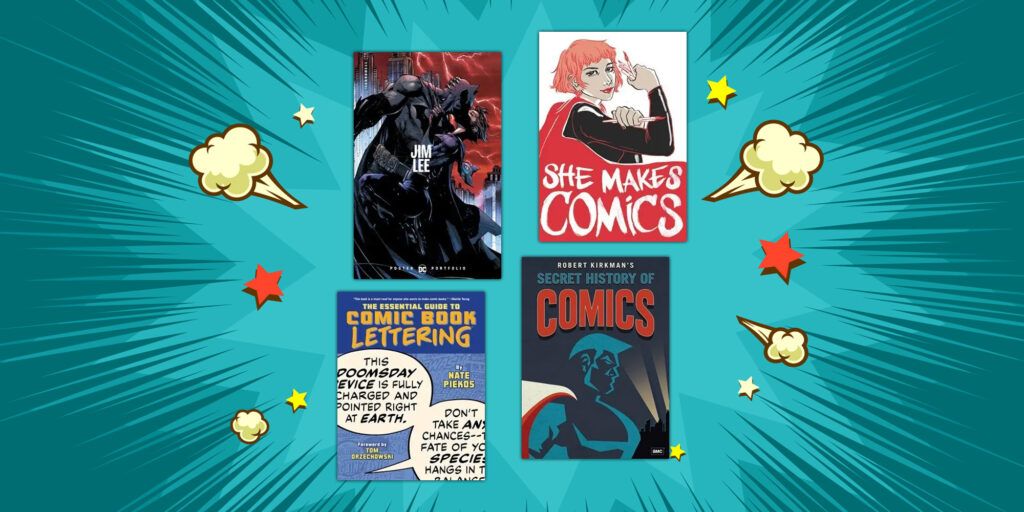
- Hoopla is a source for myriad books on comics creation, drawing, and storytelling. Tips for making comics can help budding comic creators feel more confident and gain ideas.
The Importance of Comic Book Creation
Creating comic books has numerous benefits for young readers:
- Enhances Literacy Skills: Comic book creation encourages plot pacing, storytelling, and writing skills. By developing narratives and dialogue, participants can improve their language skills in a fun and engaging way.
- Promotes Visual Literacy: Comics combine visuals and text, which leads to an understanding of how images convey meaning.
- Encourages Artistic Expression: Comic book creation allows individuals to express themselves through art. Whether they are skilled artists or novice doodlers, participants can find joy in illustrating their stories.
- Fosters Collaboration: Many comic book projects can be collaborative, allowing participants to work together, share ideas, and provide feedback on each other’s work.
Program Ideas for Comic Book Creation
Comic Book Workshops
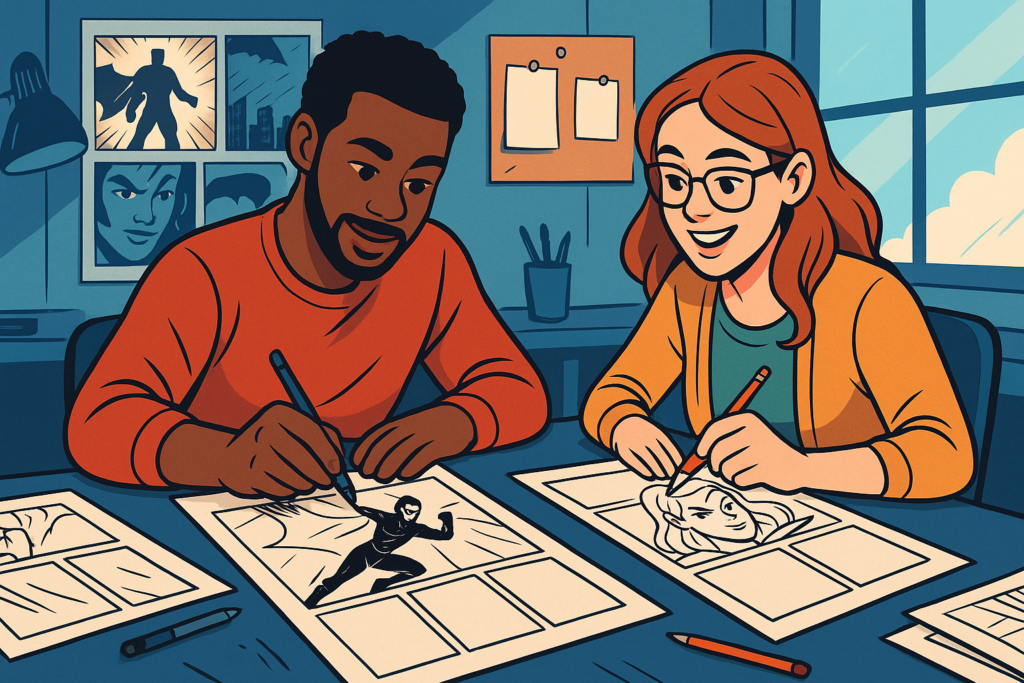
Organize a series of workshops focused on aspects of writing your own comic book. Topics can include:
- Story Development: Teach participants how to brainstorm ideas, create plots, and develop characters. Show them how to create a storyboard.
- Art Techniques: Provide instruction on basic drawing skills, character design, and layout. Consider inviting a local comic artist to lead a session.
- Dialogue and Captions: Discuss the importance of dialogue and captions in conveying a story. Have participants practice writing dialogue for their characters.
Comic Book Challenges
Host a comic book challenge where participants create a comic within a specific time frame, such as a weekend or during a week-long program. Provide prompts or themes to inspire creativity. At the end of the challenge, hold a showcase event where participants can share their work with others.
Collaborative Comic Projects
Encourage collaboration by organizing group projects. Each participant can contribute to different aspects of a comic, such as writing, illustrating, or coloring. This not only promotes teamwork but also allows participants to learn from each other’s strengths.
Comic Book Read-Alouds
Incorporate comic book read-alouds into your program. Choose popular titles or diverse graphic novels that resonate with your audience. After reading, lead discussions about the story and characters, inviting participants to think critically about the narratives.
Hosting a comic book creation program in your library can inspire creativity, enhance literacy skills, and foster a sense of community among participants. By utilizing Hoopla and implementing engaging program ideas, you can create an enriching environment where young creators can thrive!