Public Libraries as Content Providers and the Power of Adaptability
As the media world has evolved significantly over the years, so too have libraries.
Adapting to such changes such as the VHS-to-DVD-to-Blu-ray shift, moving from physical microfiche to online databases, and incorporating physical materials into community-involving programs proves that libraries are versatile and willing to embrace ways to better reach their patrons.
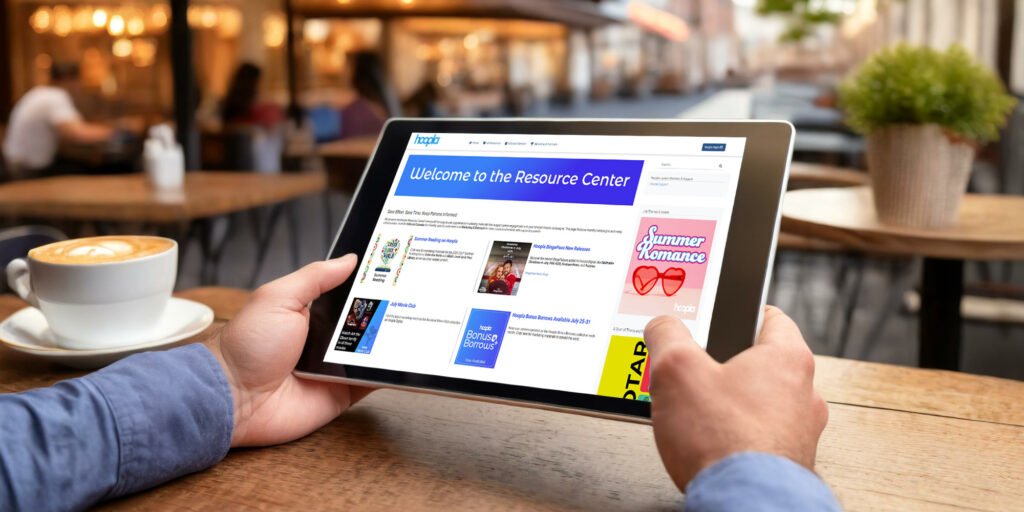
The most recent major development—the emergence of digital media—has given libraries the opportunity to serve patrons in new and relevant ways. By offering immediate access to a diverse and readily available digital collection with little to no wait time, libraries are attracting more patrons and increasing overall engagement. However, this approach requires a shift in mindset, recognizing that the value lies in the ability to meet patrons’ needs promptly and efficiently.
But digital is nothing new—and the sooner libraries address this option, the better positioned they will be to establish themselves as a viable content provider for patrons in the years to come.
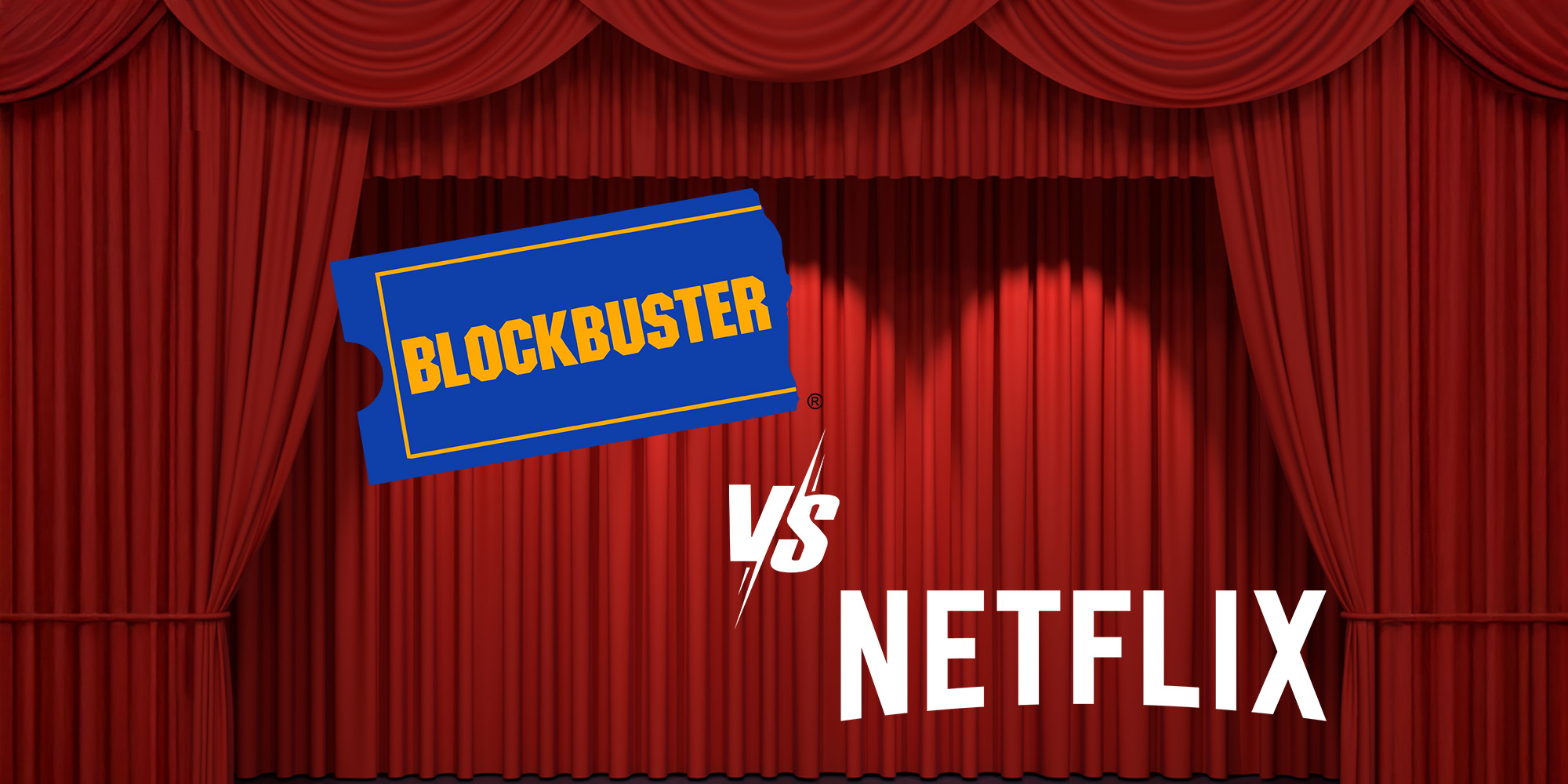
Much like Netflix did with its DVD rental service when it started serving customers in 1997, libraries that ensure that patrons can choose what is best for them are experiencing great success and avoiding the pitfalls faced by businesses that ignored their customers’ changing needs—Blockbuster Video being a perfect example.
Lessons from Blockbuster and Netflix
This constantly changing library media landscape mirrors the strategic decisions faced by Blockbuster and Netflix in the early 2000s.
Blockbuster Video, the home video rental store giant that dominated the industry in the ‘80s and ‘90s, clung to its traditional rental model, failing to adapt to the emerging digital landscape. Despite its extensive network of physical stores and brand recognition, Blockbuster’s reliance on physical rentals and late fees frustrated customers. The company resisted its customers’ demands, which ultimately led to its downfall.
Netflix, on the other hand, embraced the changing landscape by making it easier to get DVD rentals—fast—with no waiting and home delivery. Ten years later, they launched their streaming video platform while, at the same time, delivering their one billionth DVD.
By offering a vast library of content at competitive prices and creating a more convenient situation for the end user, Netflix attracted a large subscriber base and retained customers who preferred not being penalized by late fees. This focus on user experience allowed Netflix to thrive while Blockbuster faltered.
Libraries are learning from this history by being proactive and flexible in their approach to media. Embracing the digital model can position libraries as forward-thinking institutions that prioritize user experience and accessibility. Just as Netflix’s adaptability led to its success, libraries that adopt flexible, user-centric models will be better equipped to thrive in the digital age.
As public libraries continue to evolve as content providers, understanding and leveraging the strengths of digital media will be crucial. By building a long-term digital strategy, libraries can better meet the diverse needs of their communities and remain relevant in a rapidly changing digital landscape.