Public libraries have always been a cornerstone of knowledge, community, and accessibility. However, the expectations of today’s digital consumer are evolving rapidly, and libraries are adapting to remain relevant. The modern digital consumer demands hyper-personalized experiences, quick access to content, and seamless interactions. It may require a fundamental shift in strategy, but public libraries are uniquely positioned to meet these needs.
The Changing Expectations of Digital Patrons
The modern digital consumer is highly informed, prioritizes convenience, and expects organizations to tailor services to their individual needs. Libraries are not immune to this shift—patrons now compare library services to the seamless experiences offered by tech giants like Amazon, Netflix, and social media platforms.
Several key trends illustrate these changing expectations:
- Personalized interactions: AI-driven platforms and algorithms have conditioned users to expect highly curated recommendations. Patrons want libraries to anticipate their interests and provide customized suggestions for books, events, and digital resources.
- Seamless experiences: The expectation of synced access across devices means that libraries are expected to integrate their services across mobile apps, websites, and physical spaces.
- Instant gratification: The demand for rapid access to digital content has grown, with borrowing rates for digital materials increasing by 17% in 2024 alone. Patrons are turning to other services when libraries cannot provide timely digital access.
The Rise of Independent Digital Content
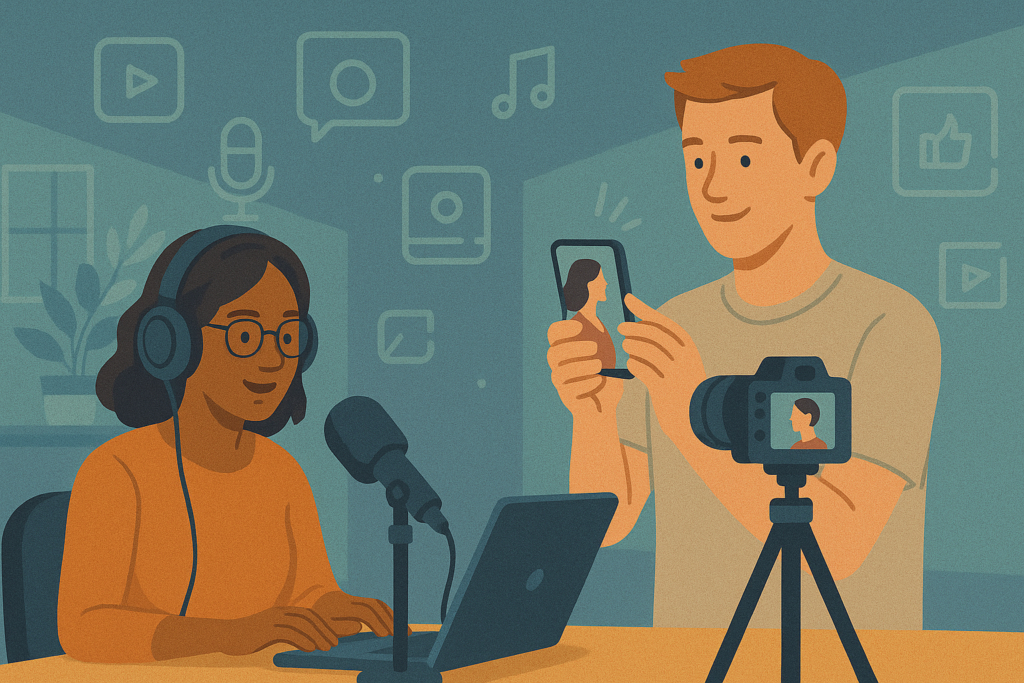
One of the most significant shifts in digital media consumption is the dominance of independent creators over traditional studio-driven content. Platforms like YouTube, TikTok, and podcasting services have given rise to a new era of content consumption that emphasizes authenticity, community, and engagement.
Libraries can explore ways to integrate independent digital content into their collections. To meet the demands of this influential audience, Hoopla partners with trusted content creators and aggregators to feature their content alongside traditional studio productions and published works.
Public libraries have always been a cornerstone of knowledge, community, and accessibility. However, the expectations of today’s digital consumer are evolving rapidly, and libraries are adapting to remain relevant. The modern digital consumer demands hyper-personalized experiences, quick access to content, and seamless interactions. It may require a fundamental shift in strategy, but public libraries are uniquely positioned to meet these needs.
Building Trust and Loyalty in a Competitive Environment
Trust is no longer a given, but libraries have the opportunity to actively earn patron loyalty through exceptional experiences. Data suggests that 53% of consumers reduce their patronage after a poor experience, while improving service from a two-star to a three-star experience can increase the likelihood of repeat engagement by 68%.
Public libraries can build trust and loyalty by focusing on several strategies:
- Enhance digital offerings: Increasing investment in eBooks, digital audiobooks, and digital learning tools can help bridge the gap between patron demand and library services.
- Improve service speed: Patrons expect quick access to resources. Libraries can explore AI-powered chatbots, automated book recommendations, and self-service digital borrowing to improve efficiency.
- Strengthen community engagement: Hosting interactive virtual events, supporting local creators, and fostering online book clubs can help libraries maintain relevance in a digital-first world.
- Emphasize library value: A new addition to Hoopla’s annual reviews highlights how much a library card can save a patron. Active promotion of these cost-saving benefits can reinforce their value proposition.
A Call to Action
The future of libraries depends on their ability to evolve with the digital landscape. As consumer expectations grow, public libraries can take bold steps to modernize their services. By embracing digital content, enhancing personalization, and strengthening community engagement, libraries can position themselves as indispensable resources for the digital consumer. How will your library rise to meet the challenge?