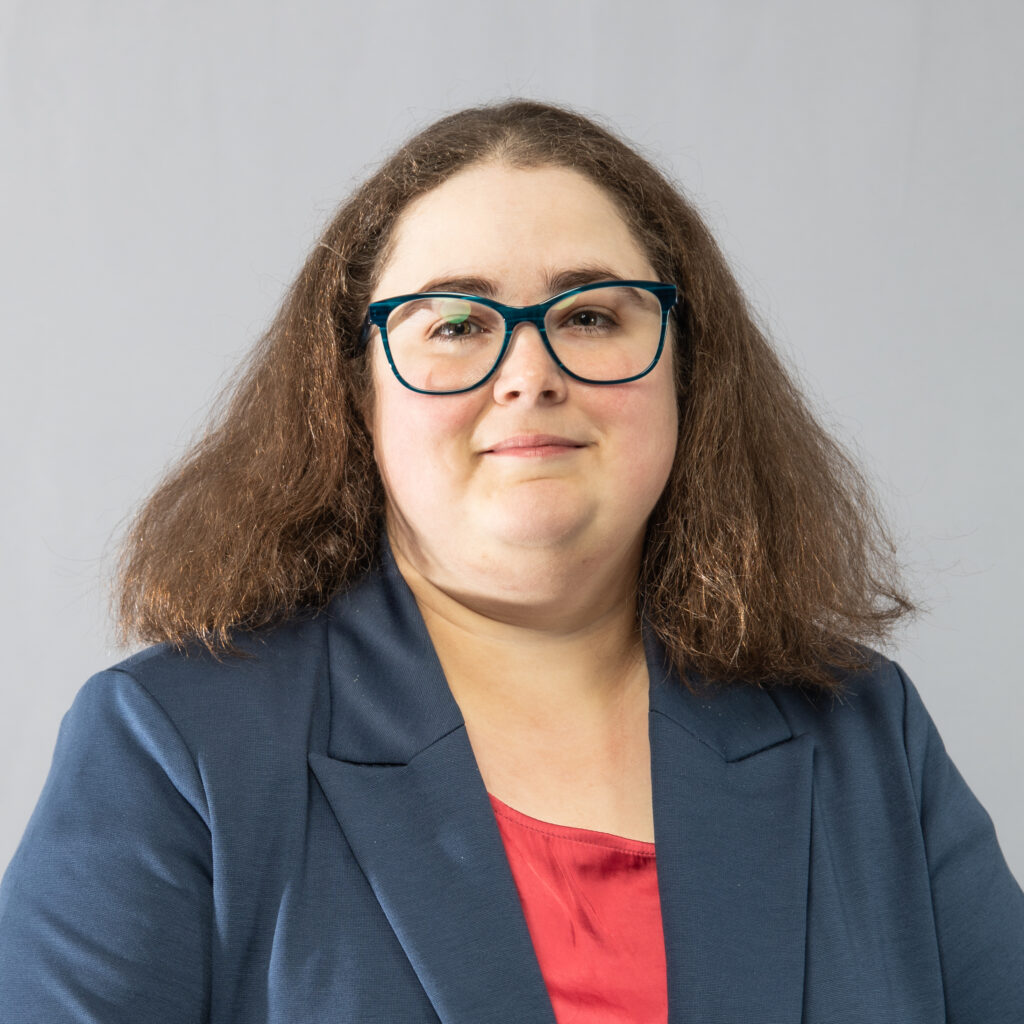
Welcome to the fifth installment of Hoopla Half-Dozen! Join us for a virtual visit to Maryland and the Harford County Public Library. Ashley Fedele, the library’s Materials Management & Technical Services Director, will inform us on a number of topics including their award-winning Little Leapers program, what the library sees as a major opportunity to deepen community impact, and thoughts on how content providers can support equitable access and pricing.
Click the arrow next to each question to reveal the answer.
1. Could you share some of the programs or services that help make your library unique?
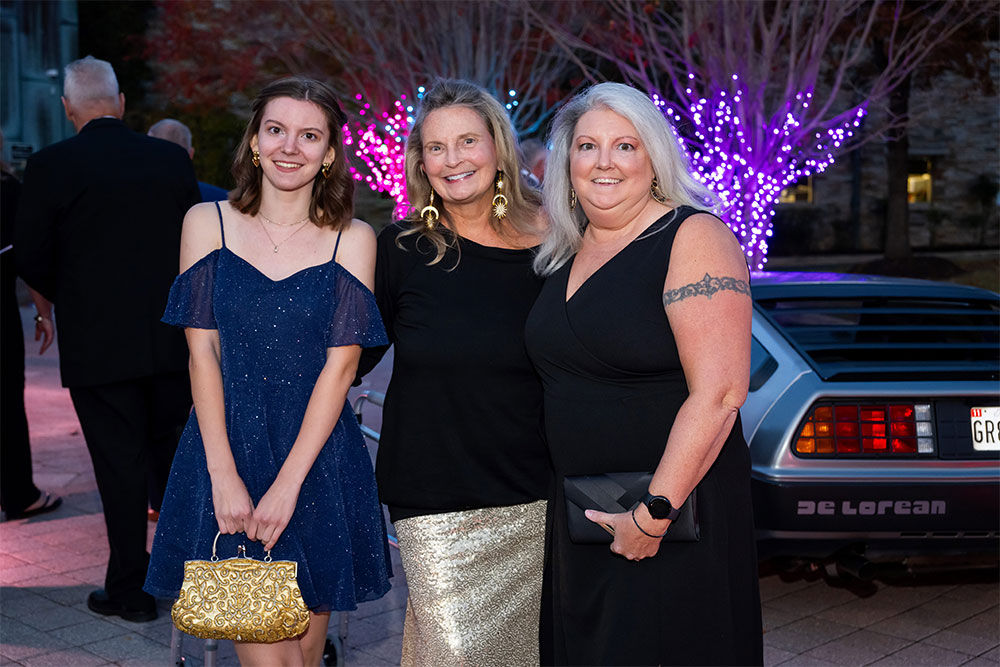
One of the things that makes Harford County Public Library unique is that we offer so much more than traditional library service. We have signature programs and events that really help define who we are in the community. Our Summer Reading Program is a major part of that each year, bringing families, children, teens, and adults together around reading and learning. We also host Taste of Harford every May and our Annual Gala each fall, both of which are important opportunities to connect with the community and celebrate the library’s impact.
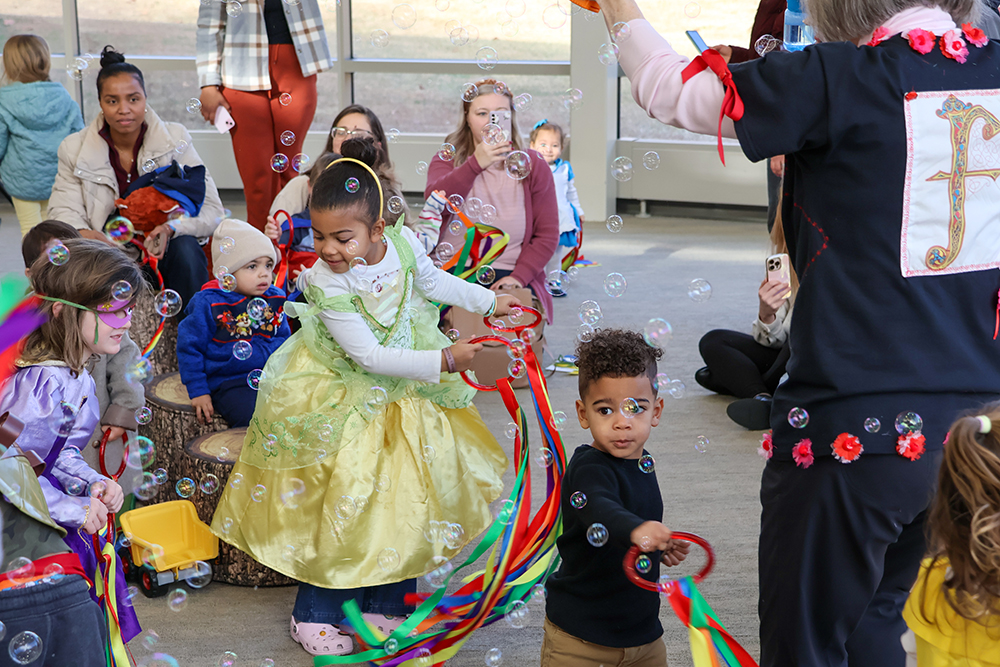
We are also very proud of our award-winning Little Leapers program, which supports early learning for young children in a creative and engaging way. And our Special Collections program is another standout—there is an incredible range of materials there, and it gives people access to resources and experiences, they may not expect from a public library. Altogether, those programs reflect what we value most: being innovative, community-centered, and responsive to the people we serve.
2. What major opportunity do you see for your library to deepen its community impact?
One of the biggest opportunities for Harford County Public Library is to build even more intentionally on the work already happening through our strategic focus areas of community engagement, collection engagement, and tech training. Those efforts reflect an important understanding: libraries deepen their impact not just by offering services, but by making sure, those services are visible, relevant, and easy for the community to use.
That means strengthening how we connect people to collections, helping staff promote resources with greater confidence, and expanding comfort with digital tools and technology across the organization. It also means being more deliberate about how we tie collections, programming, outreach, and staff development together so that the library’s value is felt more clearly in people’s everyday lives. For us, the opportunity is not simply to do more, but to connect what we already do well in ways that create even stronger community awareness, access, and engagement.
3. In what ways can digital collections fit more deliberately into outreach and programming efforts?
Digital collections fit best into outreach and programming when they are treated as part of the library’s overall collection strategy, not as something separate. They can be incorporated into booklists, displays, reader’s advisory, school visits, and themed programs. They also help extend the life of a program—someone can attend an event and then immediately borrow related digital content afterward. There is a real opportunity to make digital collections more visible by building them into staff conversations and public-facing promotions more intentionally. By having staff well-versed in our digital offerings allows us to serve a wider range of customers.
4. How do you balance growing demand for digital content with tighter budgets?
That is one of the biggest challenges libraries are facing right now. We have to be very thoughtful about how we allocate resources, looking closely at usage, customer needs, and long-term sustainability. Demand for digital content continues to grow, but budgets do not always grow with it. So, the balance comes from being strategic, supporting the services that offer strong value to the community while also making sure we can sustain a healthy overall collection.
5. What role should digital content providers play in ensuring equitable access and sustainable pricing?
Digital content providers play a very important role. Libraries want to provide equitable access, but we can only do that if the pricing models and licensing structures are sustainable. Providers that understand the public library’s mission and work with libraries to create transparent, flexible models make a real difference. Equitable access depends not just on having content available, but on having terms that allow libraries to provide that content responsibly and consistently. Additionally digital content providers need to have robust AI policies to make sure the collections have authoritative, trustworthy titles that fit most library collection development policies.
6. When your members use Hoopla, what reactions or feedback tend to stand out to you?
The feedback that stands out most is how much customers appreciate the simplicity and convenience. They really respond to being able to discover something and use it right away, especially for popular entertainment and audiobooks. People also like having different formats available in one platform. In general, the reaction tends to be that Hoopla feels easy, immediate, and user-friendly, and those qualities matter a lot in digital library service.
About Harford County Public Library
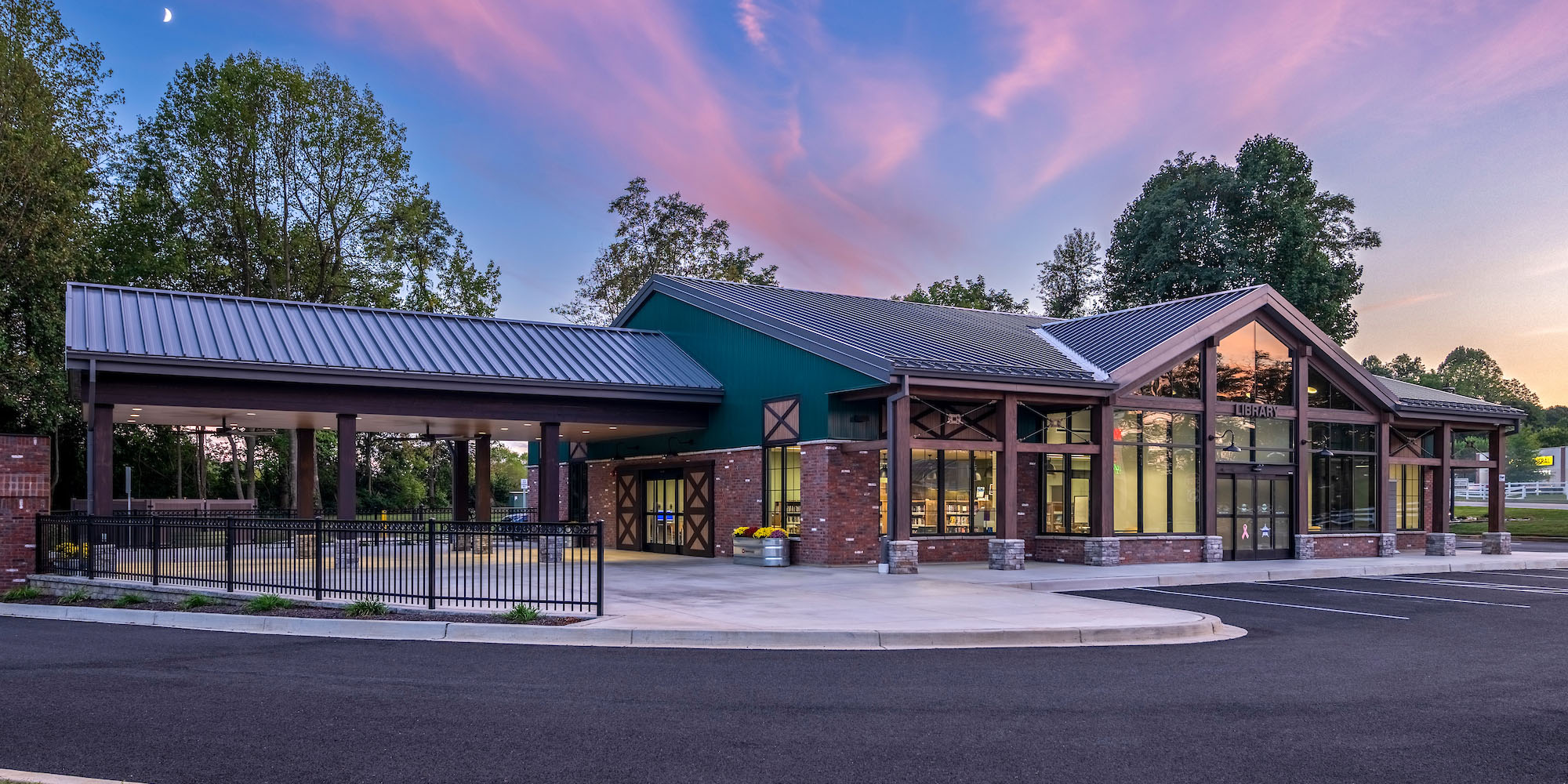
Harford County Public Library (HCPL) serves Harford County, Maryland, through 11 branch locations, a digital library, and outreach services offering books, digital resources, educational programs, and internet access. Key services include early literacy and lifelong learning programs, makerspace technology, mobile hotspots, and a 24-hour Virtual Library. Signature programs and events include the countywide Summer Reading Program, the award-winning Little Leapers early learning program, Taste of Harford, the Annual Gala, and Special Collections that provide access to unique and unexpected materials.