Libraries are facing a wave of change as budgets tighten, book bans make headlines and legislative pressures create uncertainty around how library services are supported and funded.
Meanwhile, community needs are shifting fast. Patron demand for digital content is rising steadily, reshaping expectations around accessibility and convenience. And with continued economic uncertainty, more people are already turning to libraries for cost-free entertainment and trusted resources.
In the midst of these changes, libraries are being asked to do more with less. The five challenges below highlight what they’re up against — and how Hoopla is helping librarians serve patrons more effectively, expand access to content and adapt to the changing landscape with agility.
Challenge No. 1: Navigating Funding Cuts and Challenges
While libraries are no strangers to tough budget decisions, current economic conditions are adding new layers of complexity. Federal support is at risk, especially for grants and programming. Those cuts are trickling down to state and local levels, forcing libraries to compete with other essential services for limited funding.
That makes every budget decision count. To help libraries stretch their budgets further, Hoopla offers a flexible access model that combines one-copy-one-user borrowing with instant access. With Hoopla’s Instant and Flex models, libraries can improve content utilization while meeting diverse patron needs.
Additionally, libraries can reduce redundant spending on costly databases and streaming platforms by using Hoopla as a centralized entertainment and educational hub, offering access to content they might otherwise have to purchase individually — like digital magazines, music and bundled streaming through BingePass, which meets patrons’ binge-watching needs with movies, TV shows, comics and more.
Challenge No. 2: Protecting Access While Responding to Content Pressures
With rising tensions over book bans and content restrictions, libraries are often caught in the middle. While the two sides of these conversations are often polarized, they raise the same question: How can libraries build collections that reflect and serve their communities?
With Hoopla, libraries gain full control over what’s available to patrons, allowing them to curate their digital collections in alignment with local values and needs. Behind the scenes, Hoopla also works to raise industry standards by advocating for greater transparency from publishers and content creators — including clearer metadata, consistent tagging across formats and accurate labeling of AI-generated content.
By holding the industry to a higher standard, libraries can make more informed decisions, reduce risk and reinforce their role as trusted content curators.
Challenge No. 3: Redefining the Role of the Library in a Digital-First World
Physical collections and in-person visits have long defined how libraries measure engagement and impact. So it’s no surprise that library budgets remain largely tied to physical materials and infrastructure.
But this model is being tested. In-person visits and print circulation are trending downward as more patrons expect on-demand digital access. That leaves many librarians wondering how to preserve the heart of the library while still meeting today’s digital-first expectations. But embracing digital doesn’t mean abandoning the library’s physical roots — it’s about integrating them to work more effectively together.
Serving as a digital branch, Hoopla helps libraries extend their presence beyond their walls and stay connected to patrons wherever they are. Hoopla also supports evolving collection strategies by providing digital content and promotional resources libraries can easily incorporate into programming, outreach and events.
Challenge No. 4: Balancing Demand for Services with Capacity to Deliver
As community needs evolve, libraries are taking on more, offering in-branch services like workforce development support and technology access and training. This comes at a time when patron demand for digital content is climbing, with patrons turning to their libraries to replace paid streaming, audiobook and other content services.
But managing these expectations with limited staff and resources is a tall order. To support this balancing act, Hoopla gives patrons direct access to a vast collection of digital materials through its user-friendly platform, reducing the need for staff support on everyday digital borrowing.
Libraries also benefit from Hoopla’s ready-to-use marketing resources, which make it easier to promote content, events and programming without adding to administrative workloads. Additionally, features like BingePass offer bundled access to high-value content with just one borrow, helping libraries increase their impact and reach without increasing effort.
Challenge No. 5: Building Better Digital Collections
Digital collections can no longer be treated as a secondary offering — they’re a core part of how libraries serve patrons today. As expectations rise for instant access across digital formats and genres, libraries must rethink their approach to content curation, balancing cost efficiency with the need to meet a wide range of patron interests.
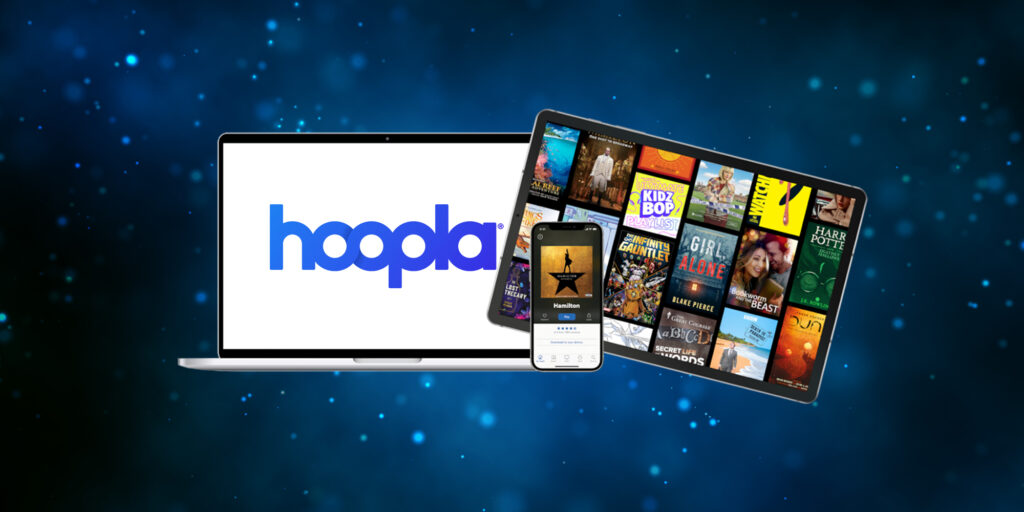
To support this shift, Hoopla offers access to bestselling titles, backlist favorites, and a variety of formats, including audiobooks, eBooks, comics and music — all in a single platform. It also features independent and self-published authors that are often unavailable through other platforms or physical materials, enabling libraries to introduce patrons to voices they may not discover otherwise.
Beyond the breadth and depth of digital content, Hoopla equips libraries with a level of borrowing data that’s unavailable from other providers. These insights help librarians curate smarter, data-informed collections based on real usage and demand. And with no holds or waitlists, patrons can access the content they want, when they want it — wherever they are.
Partnering for Progress
Today’s libraries are juggling more than ever, from funding cuts to evolving patron needs. The common thread across all of these challenges? The need for flexible solutions that help libraries better serve patrons without stretching staff — or budgets — too thin.
Hoopla continues to partner with public libraries to help them meet patrons where they are while planning for future needs. Because when libraries are equipped with the right tools, they can better adapt, lead and serve their communities.