Every budget cycle, someone asks the same question about the audiobook line: streaming apps are everywhere, most patrons carry a phone loaded with entertainment options, so why does the library keep ordering physical audiobooks?
Sentiment isn’t the reason this format holds its place in the collection. Four specific groups of patrons rely on it, and each one has a need that digital doesn’t fully solve. Here’s a look at the four types of library patrons behind the demand for physical audiobooks.

The Homebound or Home-Delivery Patron
For outreach and home-delivery patrons, physical format is frequently the only format that works.
Reliable broadband and data plans aren’t a given in every home a bookmobile or delivery van visits. Vision or dexterity limitations can make a touchscreen app harder to manage than a CD player with three buttons a patron has used for twenty years.
This group deserves its own deep dive, and we’ll give it one: a future post will focus entirely on what an effective outreach and home-delivery audiobook program looks like.



The Book Club Member
Book clubs run on flexibility. A group of eight to twelve readers will include someone who prefers print, someone who reads large print, someone who listens on a phone, and someone who still checks out physical audiobooks.
Stocking audiobooks alongside the other physical formats means no one in the group has to skip a title or switch to a format they’re not comfortable with just to keep up with the discussion. For a library trying to keep a club’s participation steady month over month, that’s a small collection decision with an outsized payoff.


The Screen-Limiting Parent
More parents are drawing a hard line on teen screen time, and that line applies to audiobook apps.
A physical audiobook lets a teenager “read” the assigned novel or a book they picked for fun without opening another app on another device. For a household actively trying to cut down on screens, a physical audiobook is one of the few entertainment formats that doesn’t add to the count.



The Commuter and the Road-Tripper
This is the classic use case, and it hasn’t gone anywhere. Many older car audio systems are built for discs, carpool lines run on a schedule, and back-to-school season means more families are back in the car together at the same time every day.
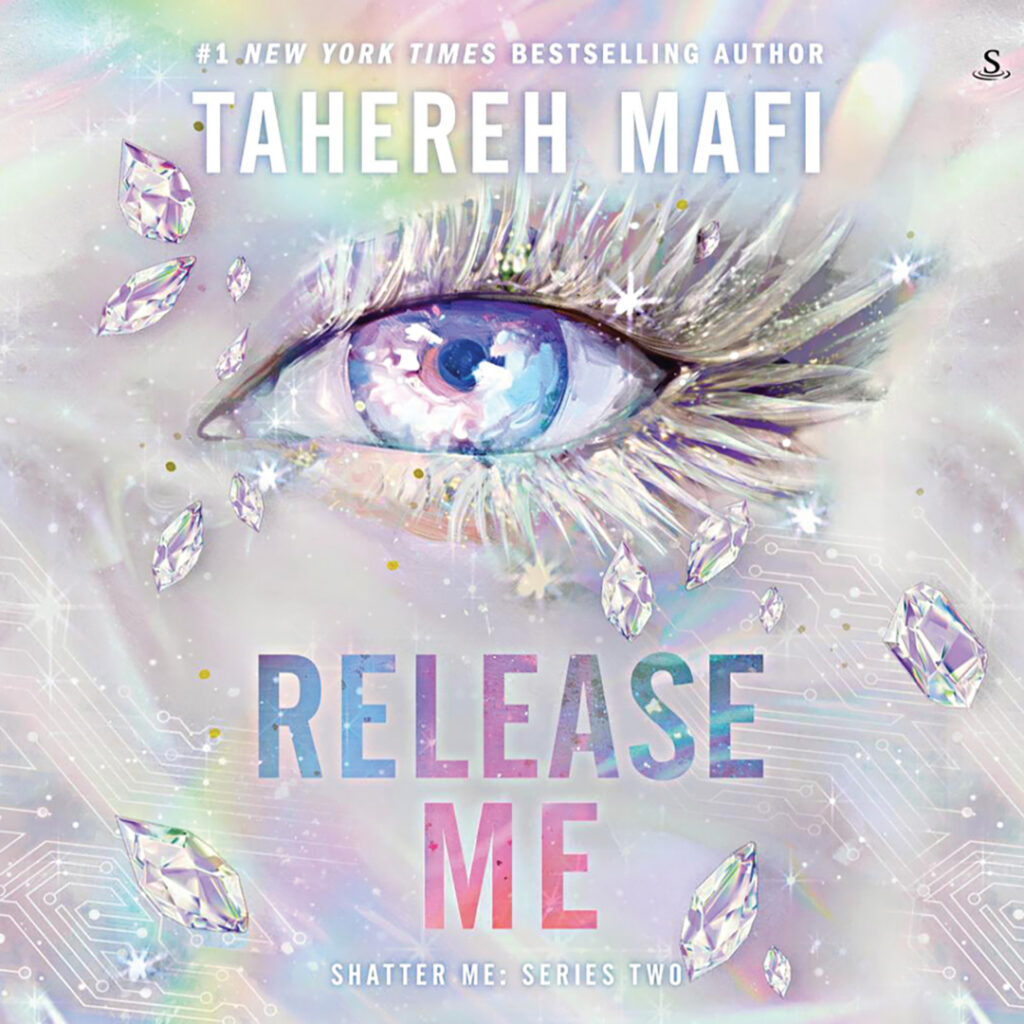
Two genres do especially well in this lane. Family-friendly titles turn a shared commute into shared listening, giving parents and kids something to talk about besides homework. Romance, meanwhile, has one of the most loyal audiobook audiences in publishing, and that loyalty shows up at the CD shelf as much as anywhere else.


The Budget Case
These four patrons are recurring, identifiable segments of a library’s user base, and each one has a concrete reason a digital-only collection leaves them behind.
That’s the answer the next time someone asks why physical audiobooks are still on the order form: these four patrons are checking them out, and a digital-only collection would leave every one of them without an option.